
Today in KoreaLanguage
VISITKOREA — Let’s say ‘JINJJA’ in Korea
Four friends fly into Daegu and road-trip through Gangwon and Gyeongsang, and every big view gets the same reaction: “Jinjja!” Here’s what the word means and how to use it.
Updated Oct 19, 2026VISITKOREA · YouTube

Official channel: VISITKOREA · YouTube
Start learning Korean
Paid links · Store and booking links on this page are affiliate links: when you buy or book through them, K for All earns a commission at no extra cost to you. Prices, stock and shipping change, so check the store before you buy. As an Amazon Associate I earn from qualifying purchases.
-
Official product image
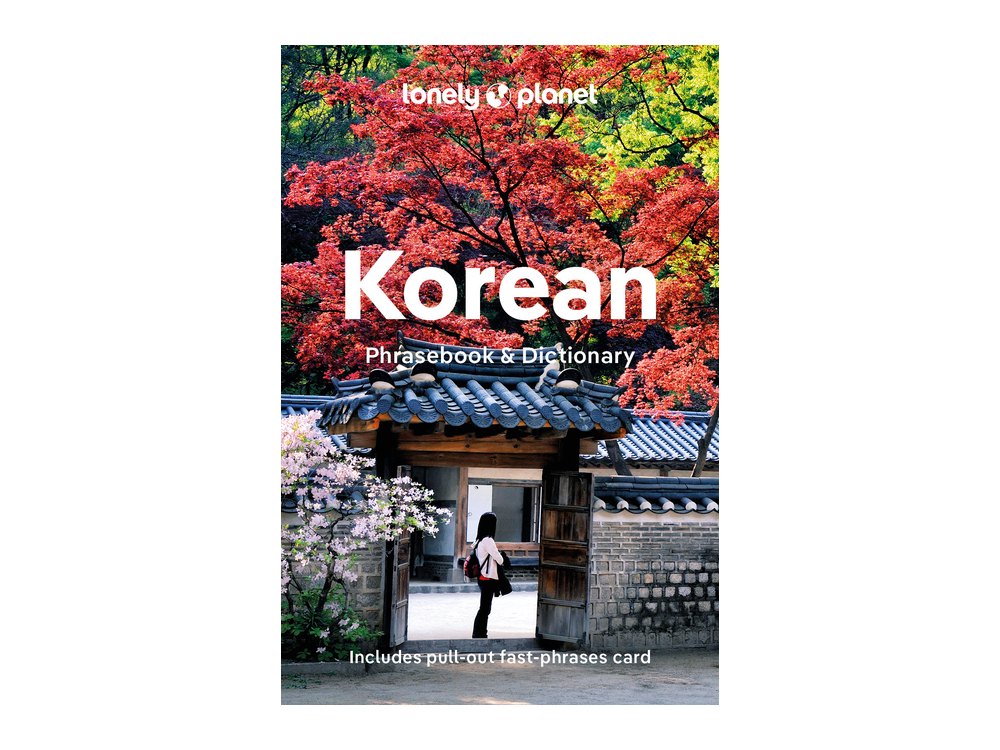
Lonely Planet Korean Phrasebook & Dictionary
A pocket phrasebook for the trip, with a 3,500-word two-way dictionary and a pull-out card for menus, transit and shopping.
-
Example image
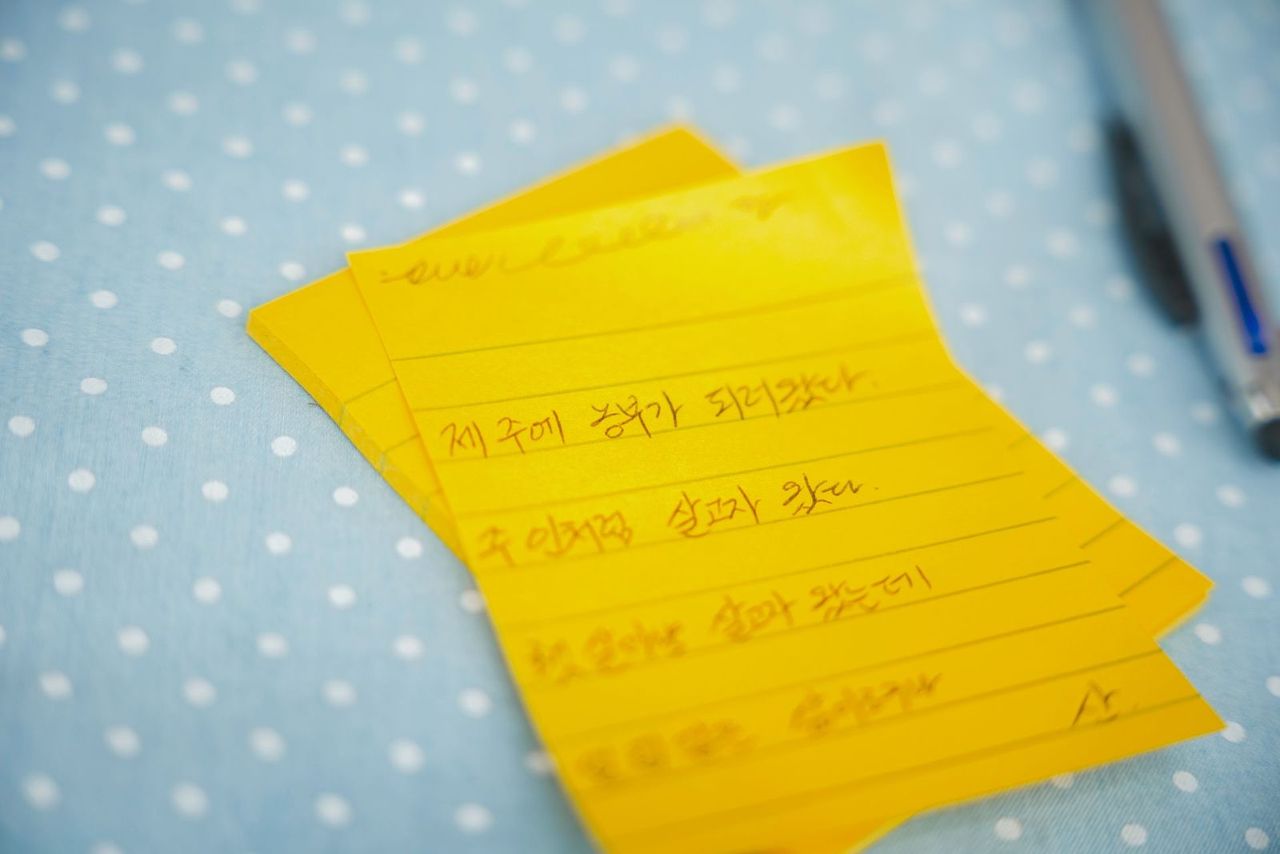
1:1 Korean lessons with a tutor (italki)
Practice words like jinjja out loud with a native Korean tutor over live video, and start with a trial lesson.
-
Example image
The Complete Korean Course for Beginners (Korean Studio, Udemy)
Starts with reading and writing Hangul, then builds grammar, vocabulary and speaking. Buy once for lifetime access; Udemy offers a 30-day refund.
What it is
A 2½-minute travel film the Korea Tourism Organization posted in July 2026, and it has passed 63 million views. Starting at Daegu International Airport, four friends visit 13 spots, including Daegu Spark Land, Dojjaebigol Sky Valley and Haerang Observatory in Donghae, Daegeumgul Cave in Samcheok, Cheongnyeongpo in Yeongwol and Cheongnyangsa Temple in Bonghwa. High above the city, walking over the sea, or facing nature shaped over thousands of years, they all shout the same word: “Jinjja!”
What ‘jinjja’ means
The film calls jinjja (진짜) a word to know before you visit Korea. The National Institute of Korean Language’s Basic Korean Dictionary lists it as a noun for something authentic, not an imitation or a fake, and as an adverb meaning “genuinely, really.” Your tone does the rest: “Jinjja!” is amazement, “Jinjja…?” is doubt (“Really?”), and a drawn-out “Jinjja~” is pure delight. With friends the word alone is fine; with strangers or older people, “Jinjjayo?” (진짜요?) sounds more polite.
More on K for All
Korean language guideKorean lessonsKorean word of the dayDojjaebigol Sky Valley (in the film)