
Hangul in a nutshellLanguage
Hangeul: created in 1443, proclaimed in 1446
King Sejong's team completed the Korean alphabet in 1443. A book proclaiming it, the Hunminjeongeum, was published in 1446.
Completed 1443Proclaimed 1446UNESCO Memory of the World, 1997Updated Oct 20, 2026
Study Hangeul
Paid links · Store and booking links on this page are affiliate links: when you buy or book through them, K for All earns a commission at no extra cost to you. Prices, stock and shipping change, so check the store before you buy. As an Amazon Associate I earn from qualifying purchases.
-
Hangeul Master (TTMIK Books)
A beginner book for learning to read and write Hangeul.
-
Example image
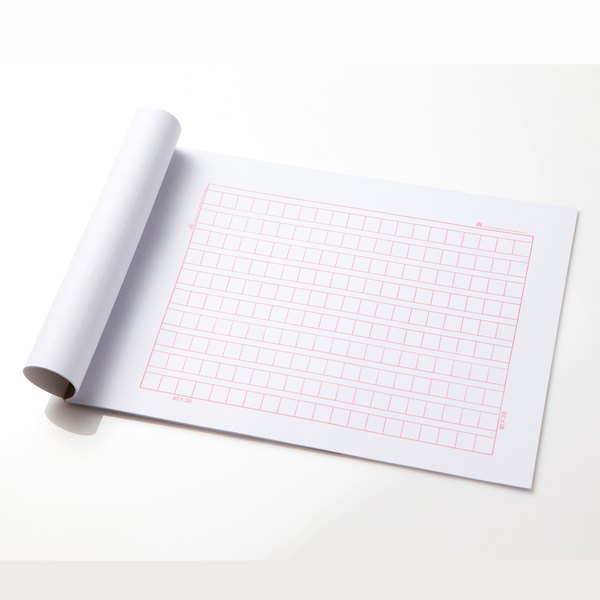
Korean Writing Practice Notebook (Wongoji)
A wongoji grid notebook for practicing how to write each block.
-
Official product image
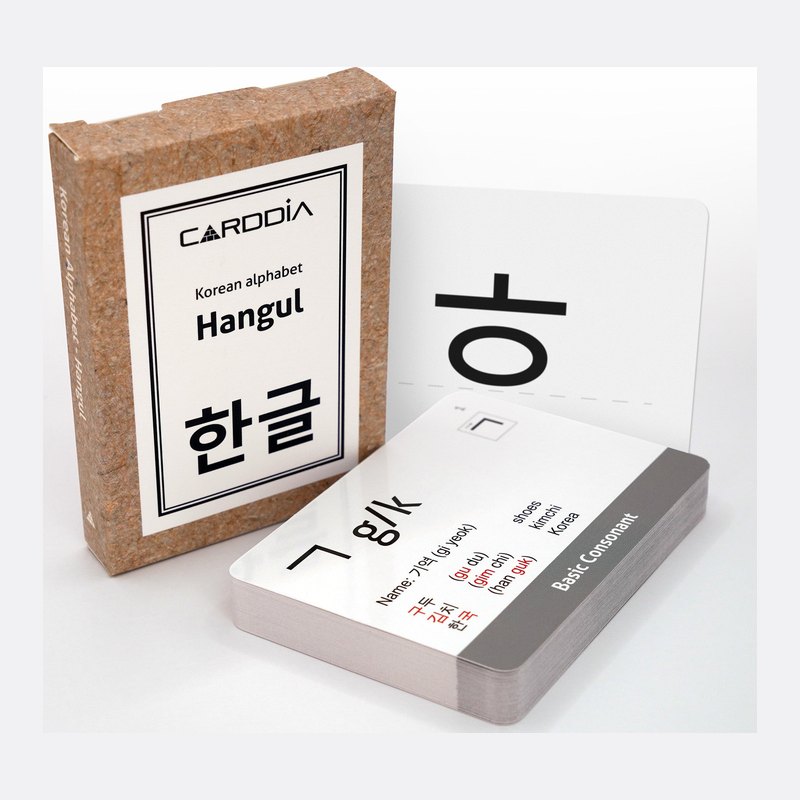
Korean Alphabet Hangul Flashcards (CARDDIA)
Flashcards for the Hangeul letters, handy for learning how letters form blocks.
What it is
Hangeul (한글) is the Korean alphabet. According to UNESCO, King Sejong the Great, the fourth king of the Joseon dynasty (reigned 1418–1450), had his team complete it in 1443.
The 1446 book
The proclamation came in a book published in the ninth lunar month of 1446, the Hunminjeongeum (훈민정음). It includes commentary and explanations by scholars of the Hall of Worthies and a postface by Chong In-ji. The surviving manuscript is held by the Kansong Art Museum.
UNESCO recognition
The Hunminjeongeum Manuscript was inscribed in the UNESCO Memory of the World Register in 1997 on Korea's nomination.
Good to know
Korea marks the alphabet each year on Hangeul Day, October 9. Many learners start with Hangeul because it is the base for reading everything else.